Motivation und Projektergebnisse
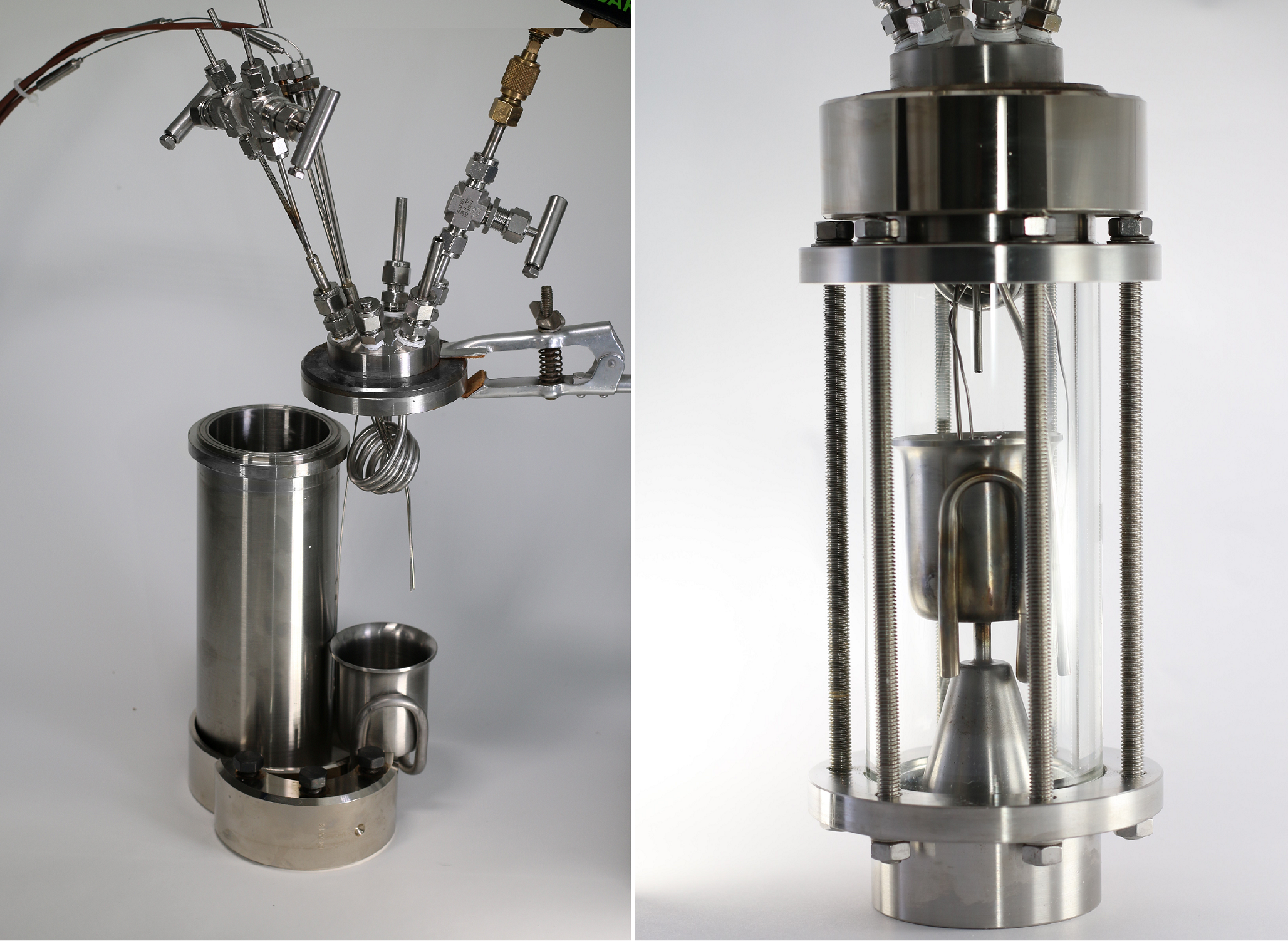
The increased use of refrigerants with low global warming potential (natural refrigerants, HFO refrigerants, and mixtures thereof) has led to a greater need for predictions regarding the long-term stability of materials intended for use in combination with these refrigerants. The individual testing of material durability required for this purpose can be very time-consuming in some cases. As part of the project, a novel method (DynaTest) was therefore developed to test the resistance of materials used in refrigeration systems. DynaTest is based on the extraction principle and enables the materials to be exposed to circulating refrigerant (during phase change of the refrigerant) and circulating refrigeration oil. No comparable technology is currently available, and DynaTest thus fills a gap in existing durability testing methods. Through the oil circulation, DynaTest simulates the real-world conditions in the refrigeration cycle. At the same time, the material undergoes more intensive aging. This accelerated aging results from the fact that, due to the constantly fresh-distilled refrigerant, no solubility equilibrium is established between the material components and the (surrounding) refrigerant. The refrigerant always exerts maximum extraction force and therefore subjects the material to greater stress. This allows test times to be significantly reduced. The dynamic loading of materials using the DynaTest method leads to a faster intrinsic