Current research projects

Image Combined building and system simulation
Image Behavior of multiphase cryogenic fluids
Image Panel with indirect evaporative cooling via membrane
Image In-situ investigation concerning the swelling behaviour of polymer materials under elevated pressures and temperatures
Image Electrical components in refrigeration circuits
Image Modular storage system for solar cooling
Image Optimizing HVAC operation with machine learning
Image Brine (water)-water heat pump
Image Investigation of coolants
Image Tribological investigations of oil-refrigerant-material-systems
Image Innovative cryogenic cooling system for the recondensation / liquefaction of technical gases up to 77 K
Image Development of a Cryogenic Magnetic Air Separation Unit
Image Innovative Manufacturing Technologies for Cryosorption Systems
Image Hydrogen and methane testing field at the ILK
Image Range of services laboratory analyses
Image Solar Cooling

You are here:   /  Home


Cold meter

Industry

R. Paatzsch

+49-351-4081-5220

The fast way to refrigerating capacity

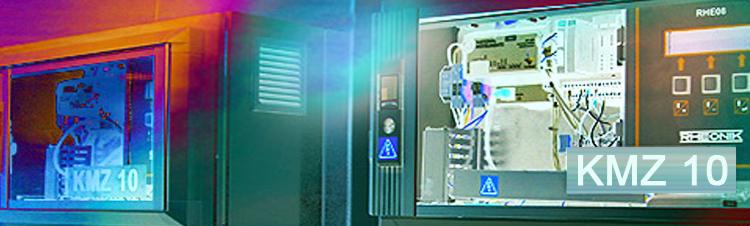
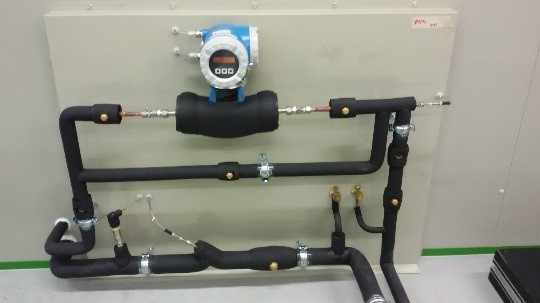
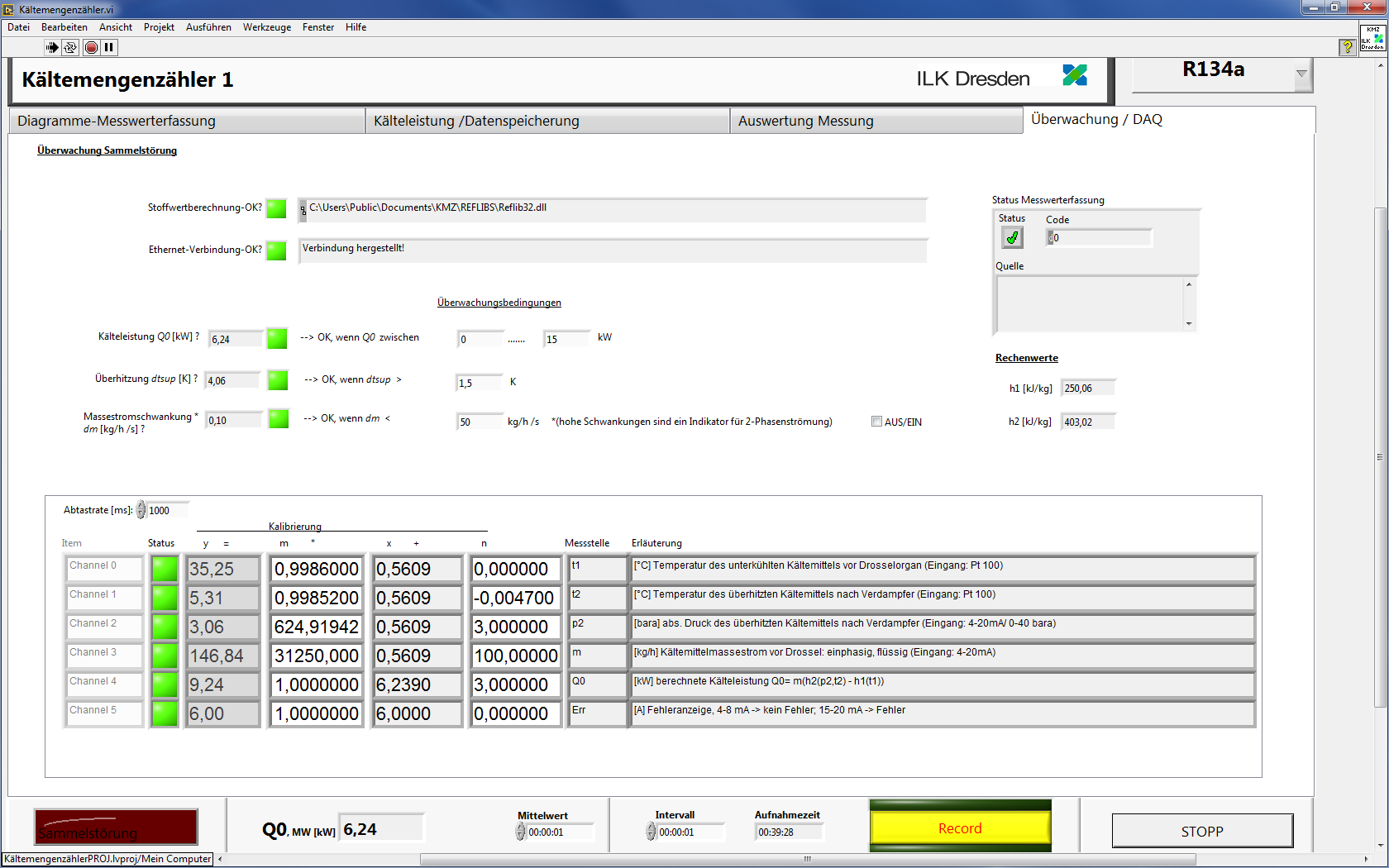
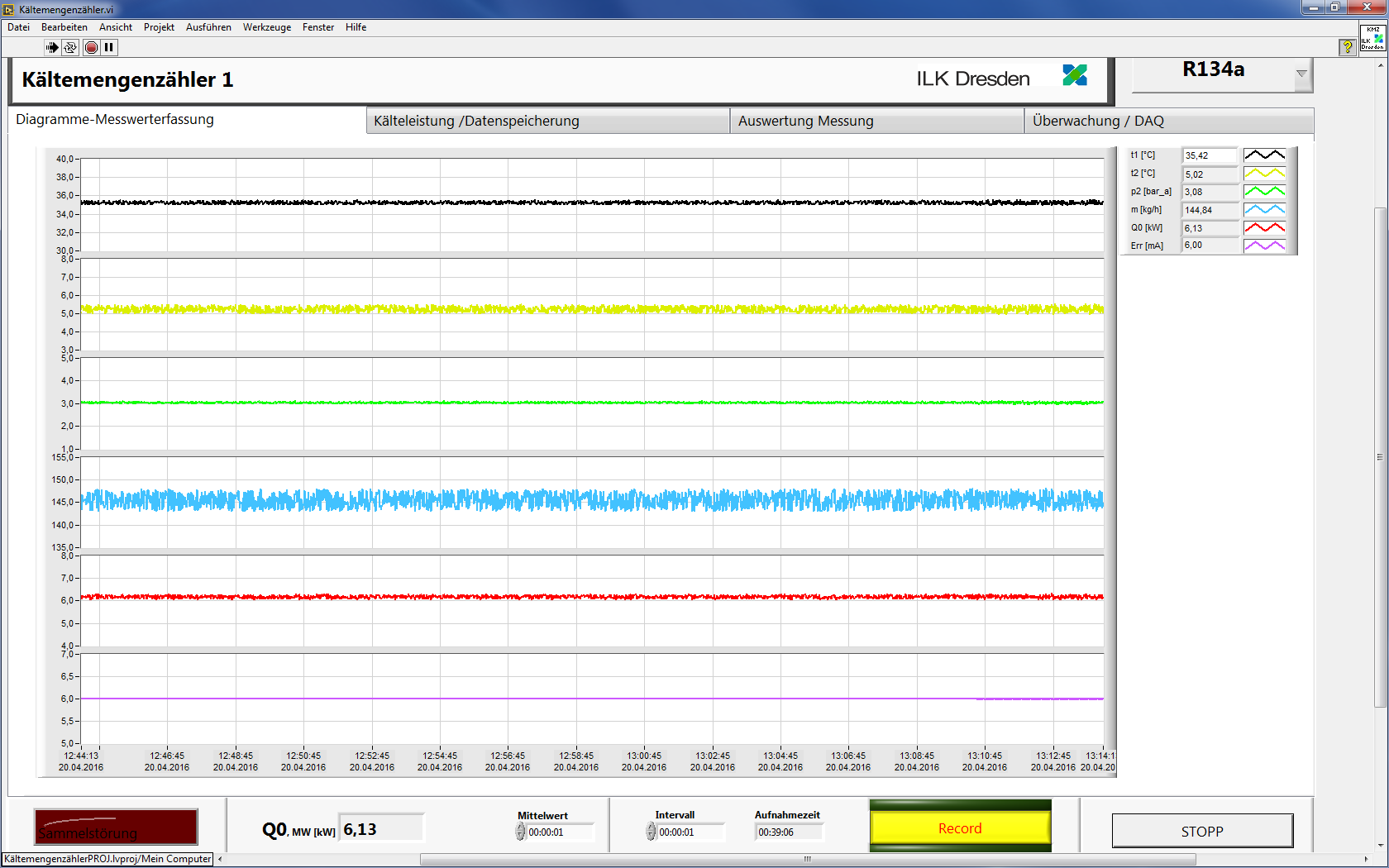
The ILK Dresden offers you special cold meters to determine the exact cooling capacity of your refrigeration system. These consist of a mass flow sensor, pressure sensors, temperature sensors and a suitable measured value acquisition. The associated software stores and analyses the measured values. The evaluation provides clear diagrams and key figures. Of course, the systems are calibrated before commissioning and can also be recalibrated.

Specification

  • refrigeration capacity range: ~ 0,5 kW … 300 kW (other ranges on request)
  • all common refrigerants
  • mass flow measurement is operating with the principle of a Coriolis flow meter
  • measurement of temperature and pressure in the refrigeration cycle
  • calculation of the refrigeration capacity from material properties using Reflib of the ILKs
  • comfortable evaluation and calculation software
  • monitoring of different parameters
  • hardware monitoring of measuring channels and network connection
  • error analysis

Your Request