TRNSYS
TRNSYS (TRaNsient SYstem Simulation Program) is a software for dynamic system simulation based on numerical routines for solving partial differential equations. ILK Dresden uses TRNSYS to calculate simple heat transport and heat storage processes as well as complex building and energy system models in a multi-zone model.
Thermal simulations of multi-zone building models
... allow the calculation of time-resolved and statistically evaluable (dynamic) sequences of:
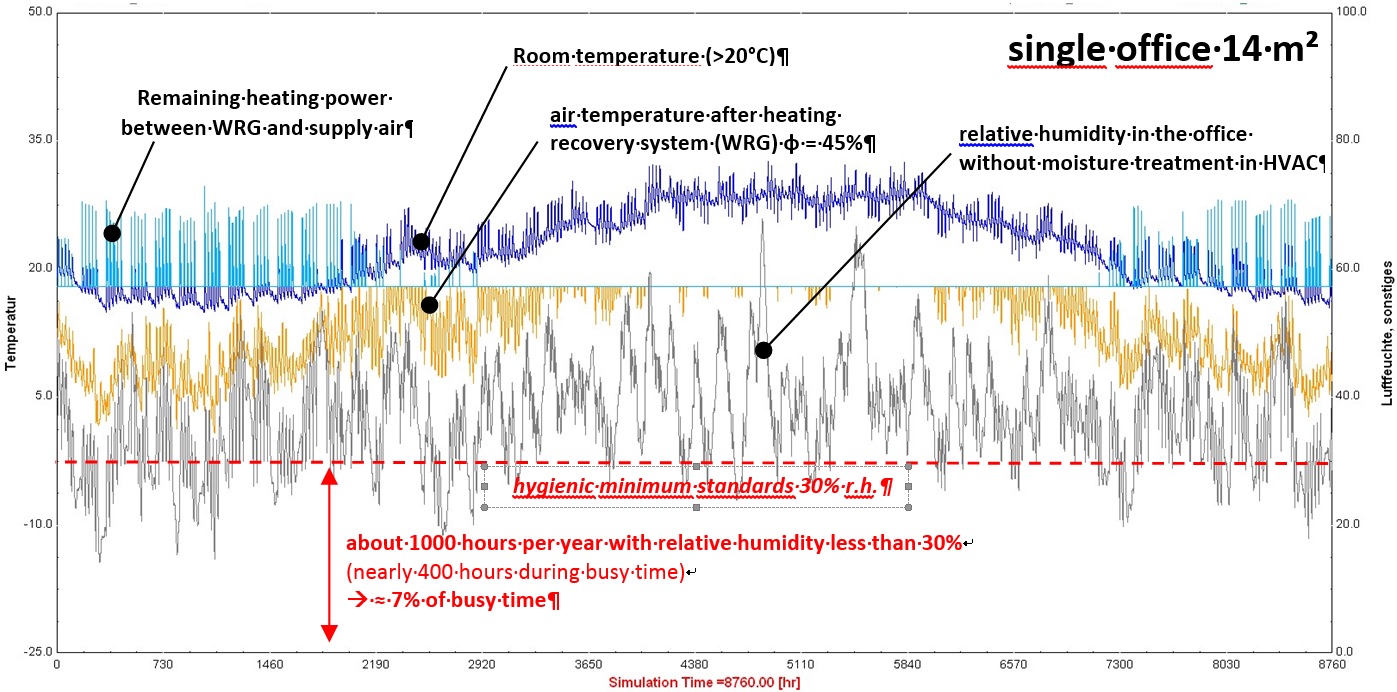
- Air-condition variables (temperature and humidity) and surface temperatures
- Sensitive and latent loads (heating load, cooling load, ...)
- Energy flows and balances between neighboring zones
- Weather and radiation data as well as their influence on the zones and individual components of the building
- Dynamic behavior of a room or a zone
- Influence of building physics and constructional characteristics of the building envelope
- Periods with actual values above or below specified setpoints
- Switching criteria for control circuits
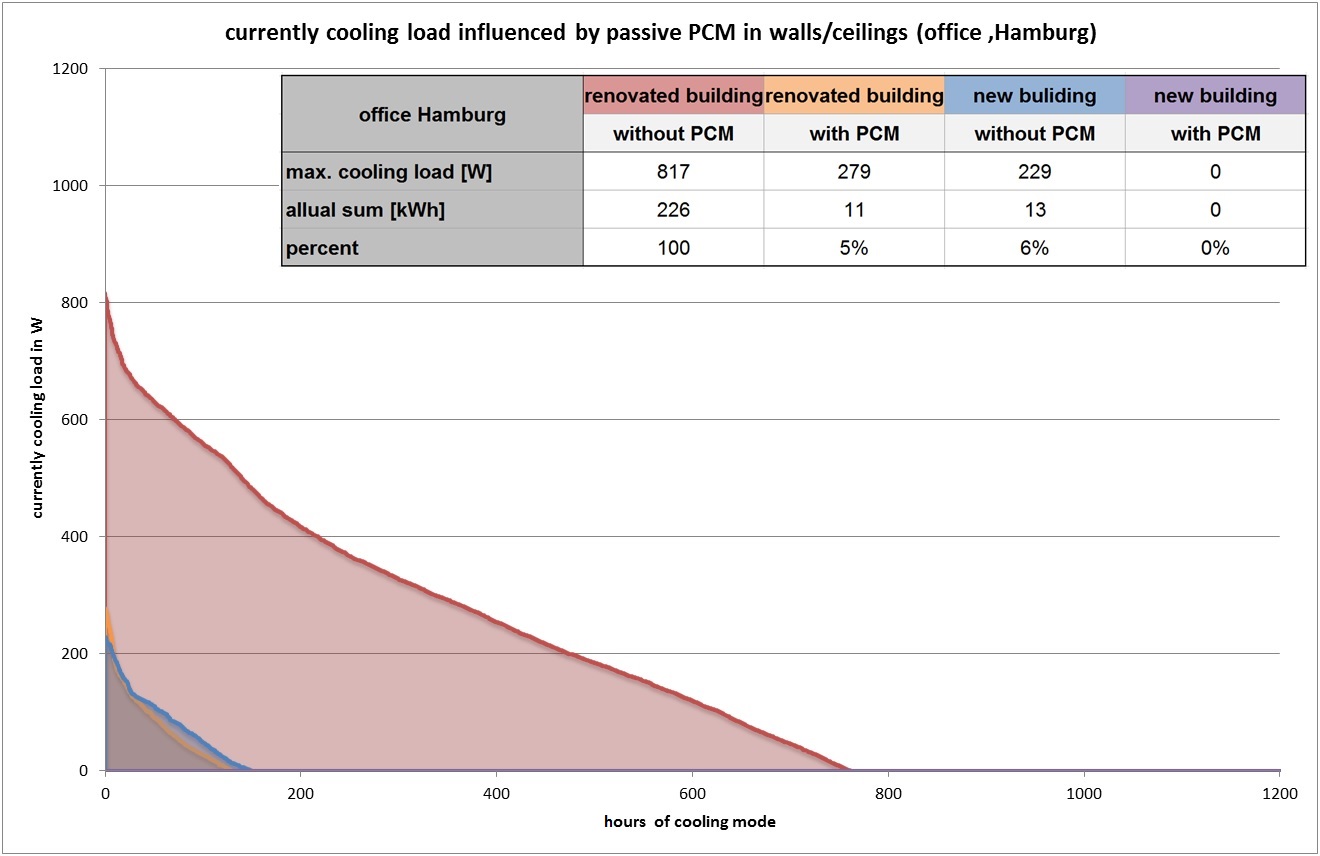
- Effect of additional thermal storage (sensitive/latent) (e.g., PCM)
- Comparison of different sun protection and shading devices including their control
Combined building and system simulations
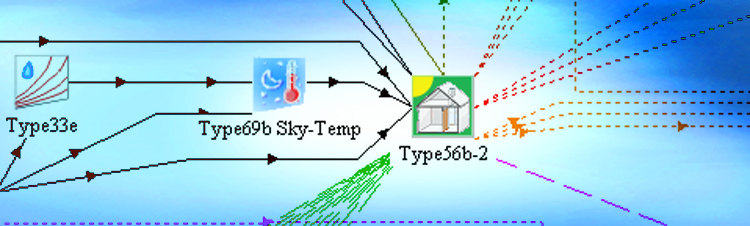
… are based on a connection of the building model with the model(s) of technical system(s) … enable detailed investigations taking into account the interaction between the technical systems and the building
Combined building and system simulation usually involve the calculation:
- Timing of performance requirements for a technical system or its components
- Of ultimate and primary energy requirements (annual and total values) as reference values
- Temporal changes of surface temperatures and air condition variables (temperature and humidity) or other actual values as a function of the performance parameters of the modeled systems
- Of periods with actual values above or below specified setpoints
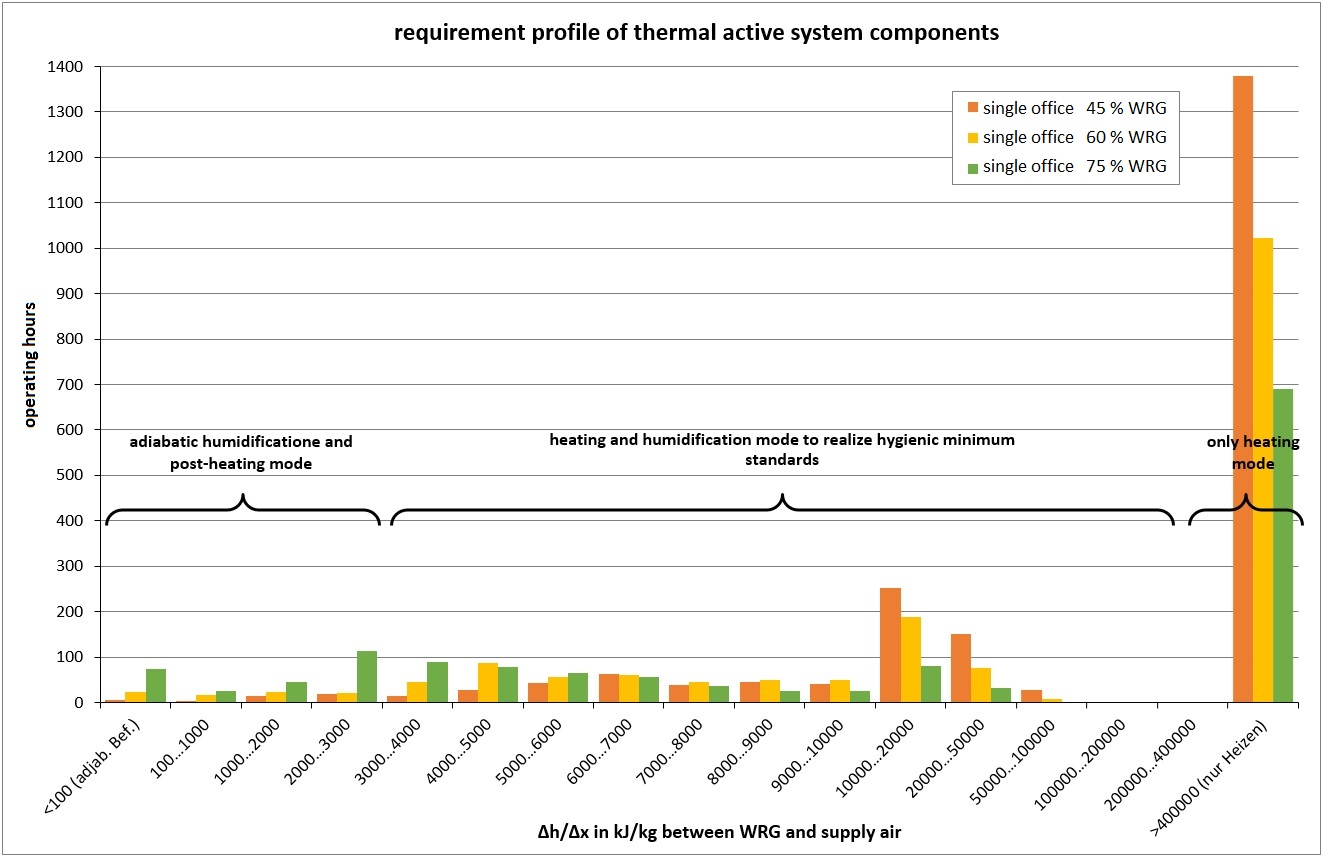
The results of building and system simulation help
- To evaluate the functionality and the mode of operation of different building concepts or energy concepts, regarding to energy efficiency and sustainability,
- To analyze the influence of different system configurations, system power as well as control scenarios on the thermal behavior of the building,
- To determine the requirement profile of each system component, and
- ILK to develop HVAC components.
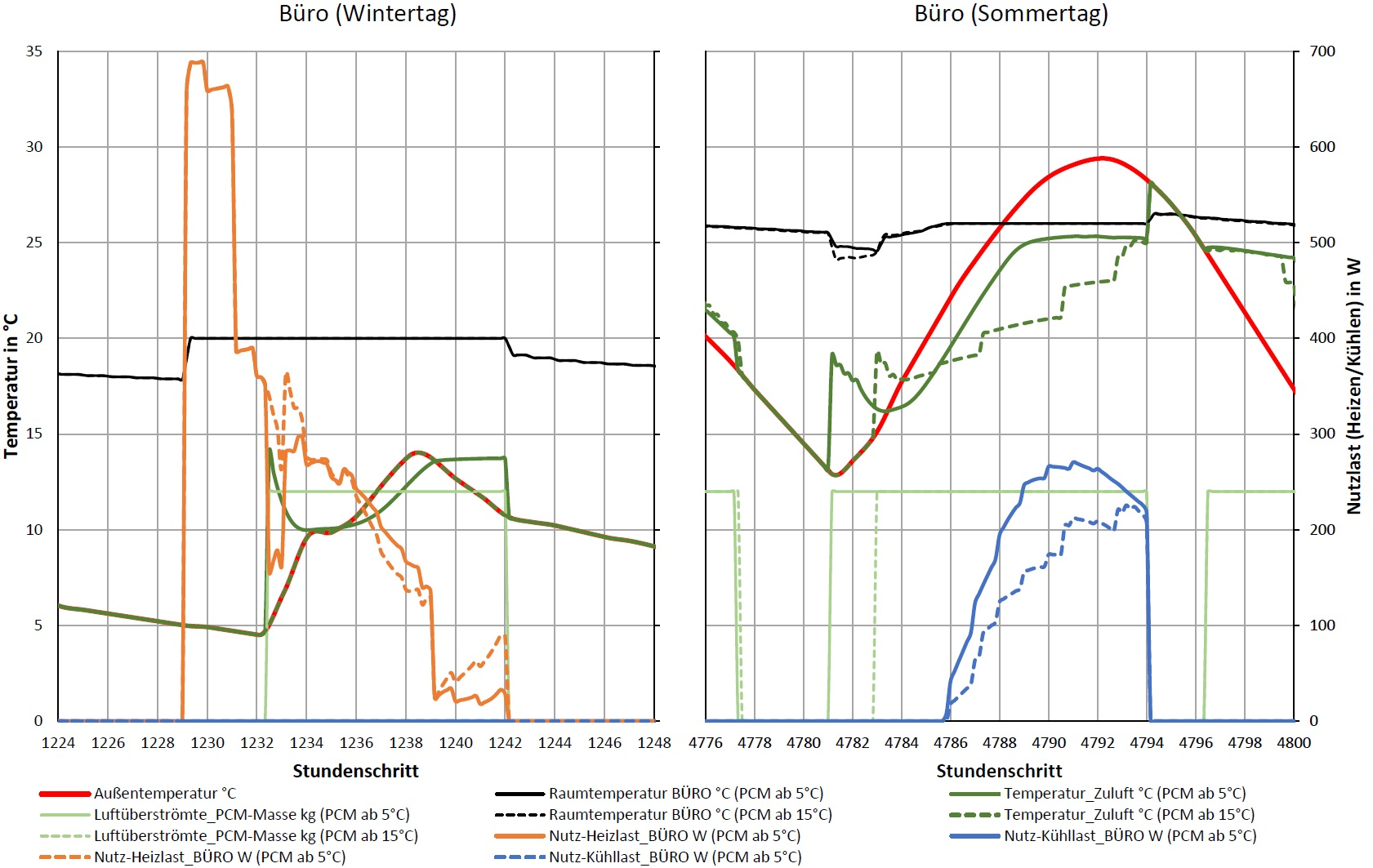
ILK Dresden also uses dynamic building and system simulations with TRNSYS to determine the boundary conditions for CFD simulations.
Simulation of thermal systems
...are useful if the dynamic behavior of an installation is of interest. For modeling, the ILK Dresden uses both TRNSYS standard types as well as TESS models. A mathematical modeling of controls or thermodynamic relationships via characteristic models and magnitude equations are also possible.
System simulation applications of ILK are:
- Representation of the thermal behavior of newly developed components or particular operating scenarios or control regimes
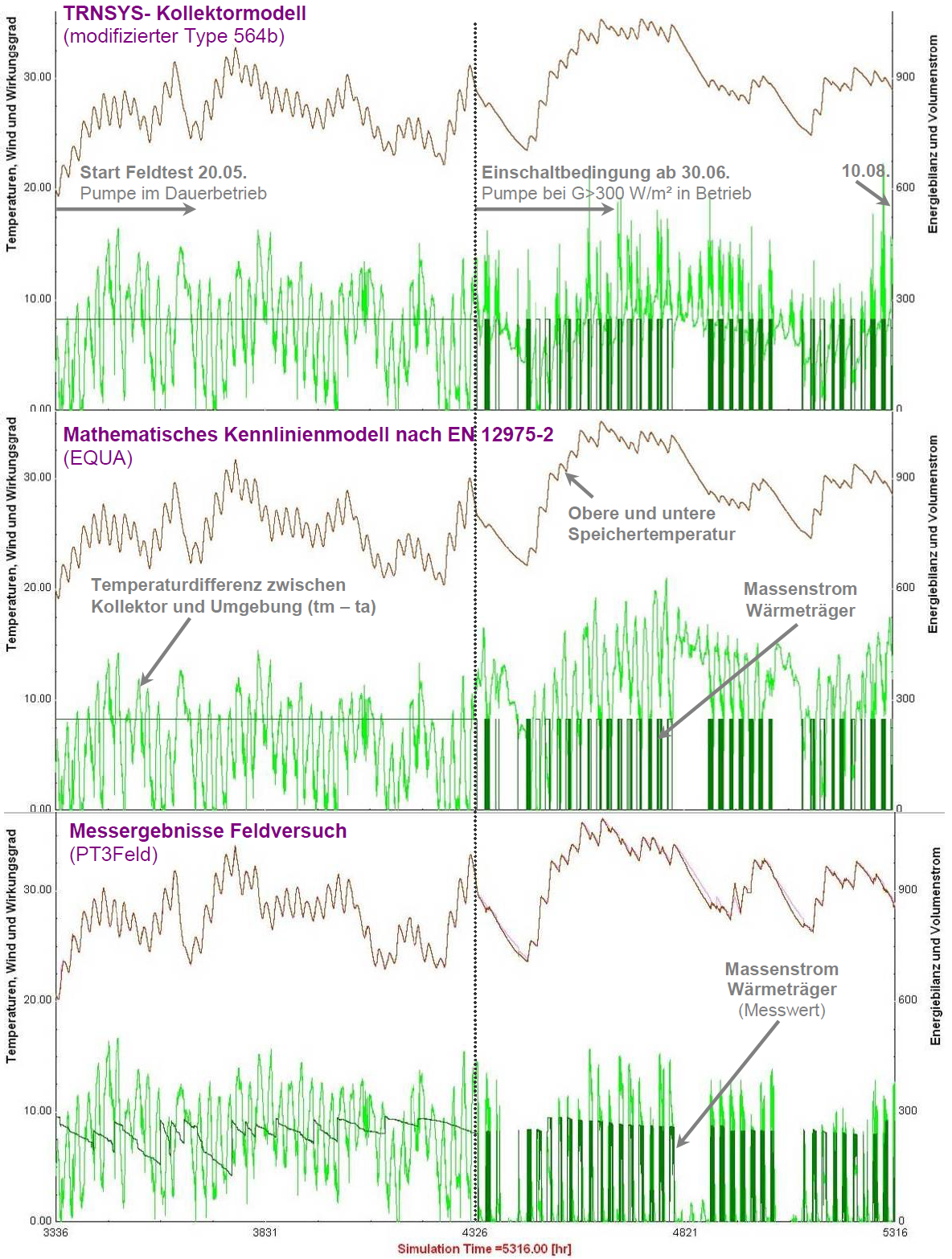
- Comparison of the simulation results with measurement data taking into account thermal, temporal and control-related boundary conditions of the measurement
- Simulation of the expected behavior and prediction of possible effects (energy inputs or yields, frequency of possible "worst-case" scenarios) of the modeled systems with changed boundary conditions
- Derivation of possible optimization potentials