
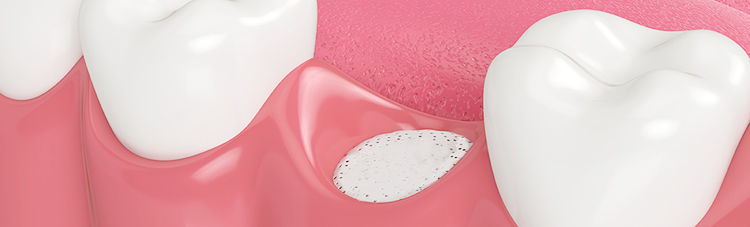
Freeze drying in the Pharmaceutical industry - It is used, for example, in wound dressings, tissue replacement, or as dental cones after tooth extraction.
How does freeze drying work? Normally, ice melts before it evaporates and turns into gas. However, under pressure or temperature conditions other than those we are familiar with in the atmosphere around us, ice can evaporate directly in a vacuum without thawing first. This process is called sublimation and is used in freeze drying.
Sensitive pharmaceutical agents such as antibodies, hormones, or vaccines can be stored unrefrigerated for long periods of time in a freeze-dried state. Microorganisms such as bacteria or yeast can also be freeze-dried. They even survive the process and are used as storable starter cultures for the production of yoghurt and cheese. Freeze drying takes place in a temperature range between -25 °C and -50 °C. The water vapor produced is separated at an ice condenser. This must be colder than the sample and is cooled up to -120 °C.
At ILK Dresden, solutions of collagen and other biopolymers are transformed into highly porous sponges and membranes by freeze-drying. The biomaterials produced in this way are used in regenerative medicine as wound dressings and tissue replacements.
At the dentist, for example, they are used as dental cones to stop bleeding in the open wound after a tooth extraction and later to reduce the recession of the jawbone. In the cell culture laboratory at ILK Dresden, freeze-dried collagen sponges are colonized with human cells to grow artificial body tissues. This process is called tissue engineering.
Contact

Dipl.-Ing. Holger Reinsch
Center of Cryocompetence in Life Science
