Areas of application
The test according to ASTM D 1384 is a laboratory test for glycol-based heat transfer fluids to determine their corrosiveness toward metals.
Objective
Optimal corrosion protection is essential for the safe operation of systems using heat transfer fluids. The ASTM D1384 test is a relatively simple method for assessing the corrosiveness of fluids. This is useful both for the development of heat transfer fluids and in practical applications where specific material requirements exist.
Description
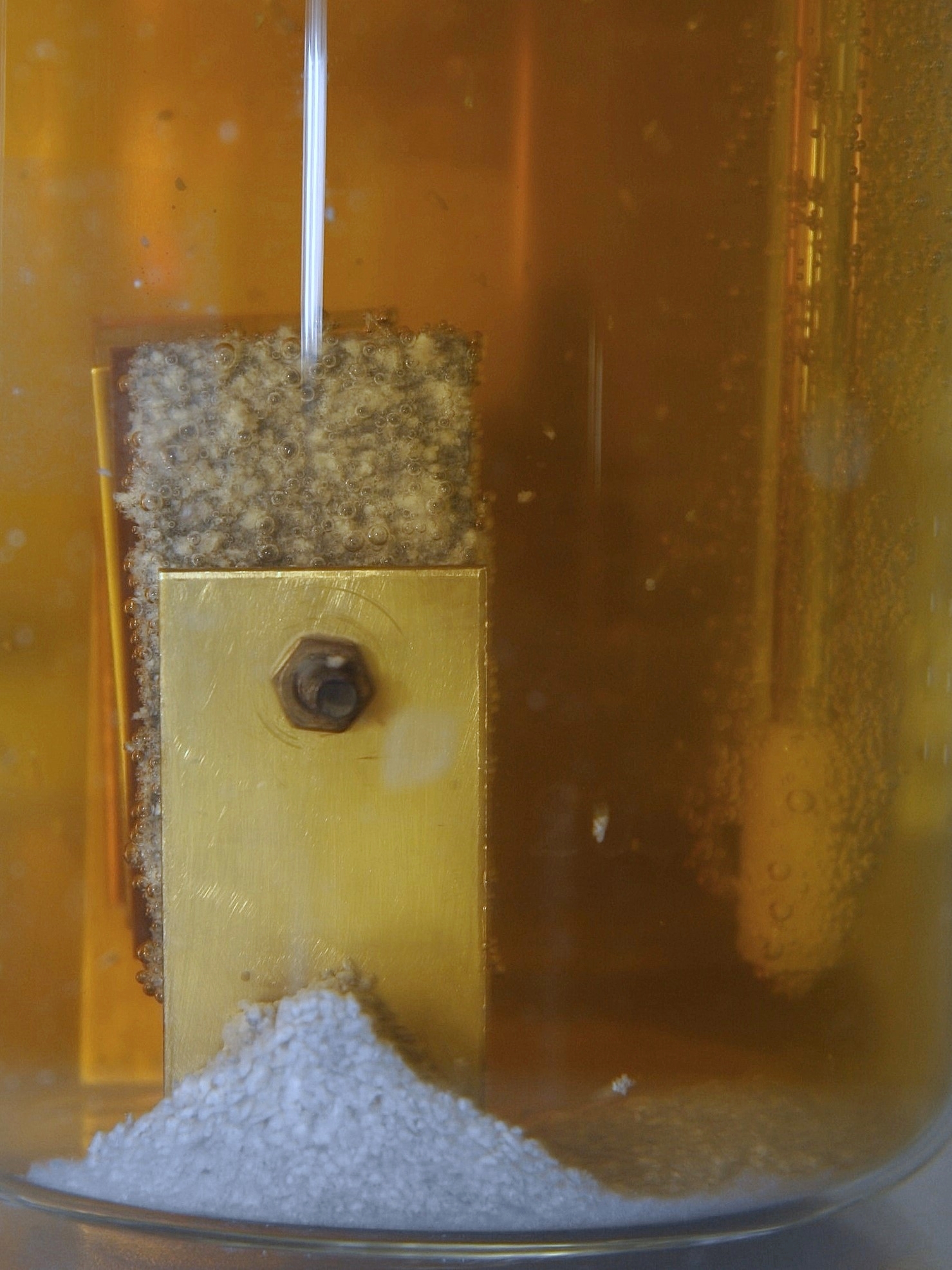
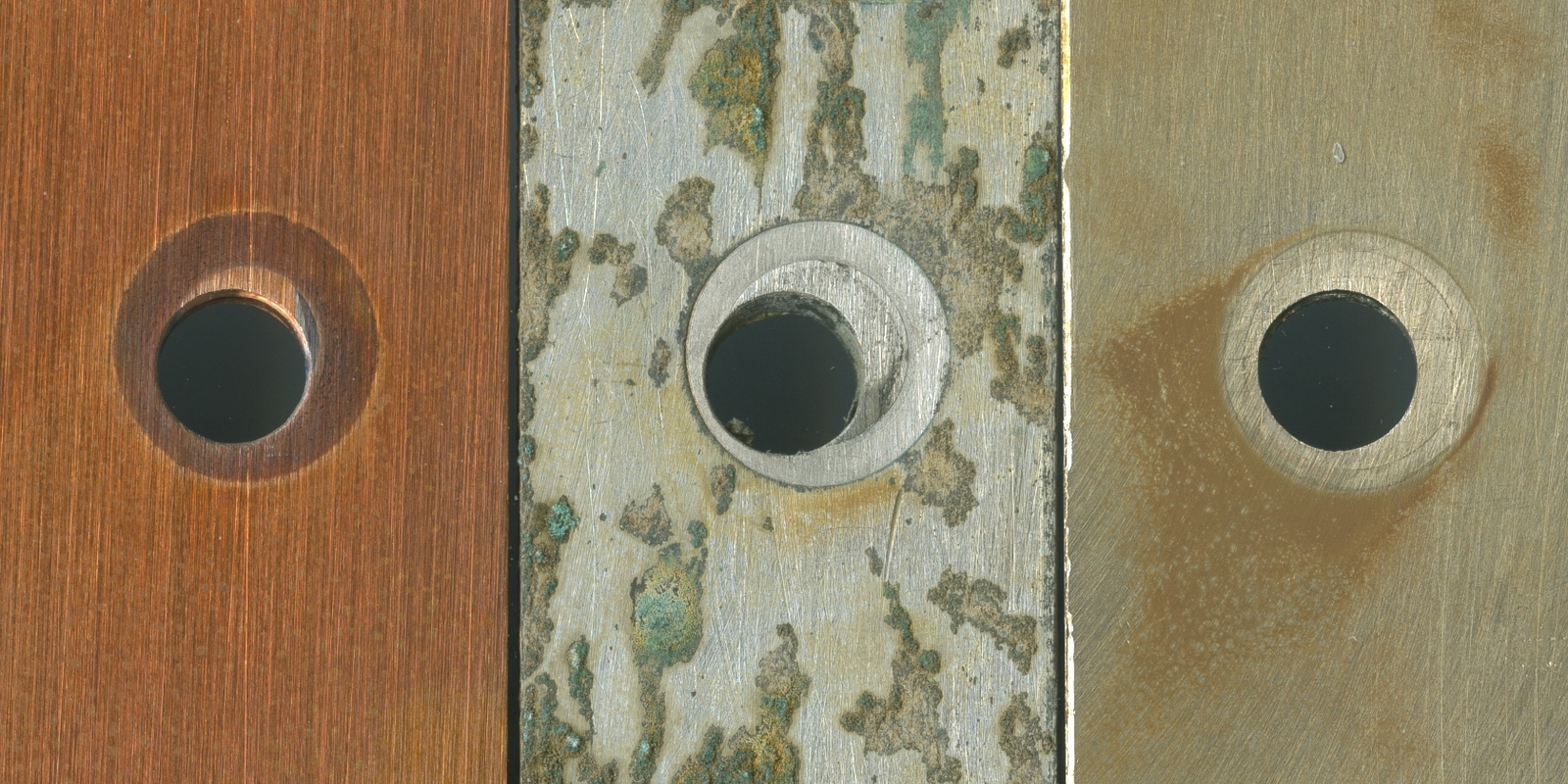
For the corrosion test, metal specimens are exposed for 2 weeks at 88 °C to an aerated heat transfer fluid. In addition to the materials specified in the standard (copper, brass, soft solder, steel, gray cast iron, cast aluminum), the test can be performed using test specimens according to customer requirements. The samples are assembled into test specimen packages to simulate mixed installations and indirect contact corrosion. The copper-containing test specimens, as well as the iron-based materials and aluminum, are electrically connected to one another, while there is no electrical connection between the sub-packages.
Before and after the test, the test specimens are visually inspected and mass changes are determined. To evaluate the mass loss, the mass loss rate per area or the corrosion rate according to DIN 50905-2 can be calculated. In addition, the heat transfer fluid can be analyzed for pH, conductivity, and reserve alkalinity.