








Current research projects

Image Ice Slurry Generation
Image Cold meter
Image All-in-one device for freeze-drying and production of biomaterial
Image Innovative Manufacturing Technologies for Cryosorption Systems
Image CO₂ GAS HYDRATES FOR SUSTAINABLE ENERGY AND COOLING SOLUTIONS
Image In-Situ-Swelling Behaviour of Polymer Materials in Flammable Fluids
Image Panel with indirect evaporative cooling via membrane
Image ZeroHeatPump
Image Service offer for Leak Detection and Tightness Test
Image Investigation of material-dependent parameters
Image Influenced melting point of water by magnetic field
Image High Capacity Pulse Tube Cooler
Image Swirl-free on the move...
Image Development of a Cryogenic Magnetic Air Separation Unit
Image Hybrid- Fluid for CO2-Sublimation Cycle
Image Reduction of primary noise sources of fans

You are here:   /  Home


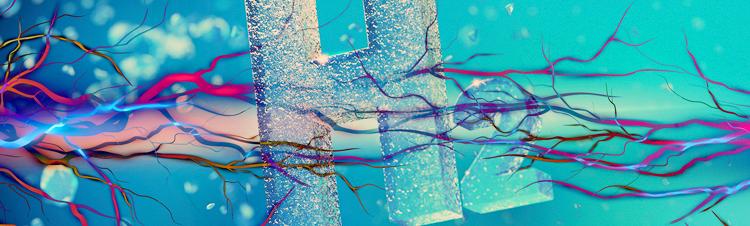
Characterisation of Superconductors in Hydrogen Atmosphere
EuroNorm GmbH

05/2022-10/2024

Erik Neuber

+49-351-4081-5122

Are superconductors really compatible with hydrogen?

In the context of the energy transition, the combined usage of cryogenic hydrogen and superconductors is discussed for numerous applications. So far, however, it has been barely clarified whether hydrogen-induced degradation in superconductors occurs and whether this leads to any limitations regarding possible implementations.
Therefore, the goal of this research project is the systematic investigation of the influence of hydrogen on the electrical and mechanical properties of common, commercially available superconducting cables and tapes (REBCO, BSCCO, MgB2). Based on the gained results, the general hydrogen compatibility of superconductors shall be evaluated and suitable approaches for a qualified estimation of the hydrogen compatibility of superconducting cables and tapes shall be derived.


Your Request
Further Projects

Image

ZeroHeatPump

Performance management of small heat pumps without energy consumption

Image

Mass Spectrometer

Determining the composition of gas mixtures in the high or ultra-high vacuum range