






Current research projects

Image Production of novel barrier layers on polymer materials to reduce hydrogen permeation
Image Performance tests of refrigerant compressors
Image Range of services laboratory analyses
Image CFE-Test of Cooker Hoods
Image Characterisation of Superconductors in Hydrogen Atmosphere
Image Low Temperature Measuring Service
Image Reducing the filling quantity
Image Brine (water)-water heat pump
Image Certification of efficient air conditioning and ventilation systems through the new "indoor air quality seal" for non-residential buildings
Image All-in-one device for freeze-drying and production of biomaterial
Image Filter Tests
Image Investigation according to DIN EN ISO 14903
Image High temperature heat pump
Image Intelligent innovative power supply for superconducting coils
Image Reduction of primary noise sources of fans
Image Overall System Optimization of Refrigeration Plant Systems for Energy Transition and Climate Protection

You are here:   /  Home


Innovative Parahydrogen Generator Based on Magnets
Euronorm GmbH

Erik Neuber

+49-351-4081-5122

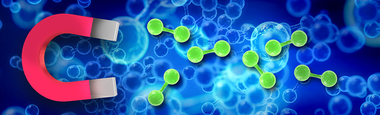
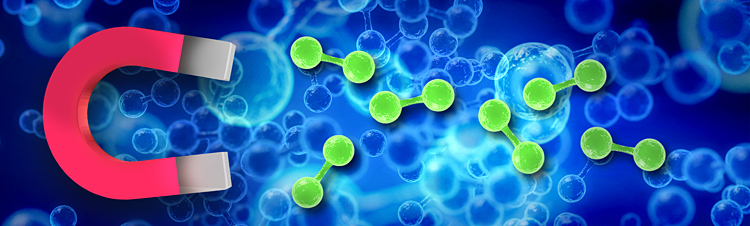
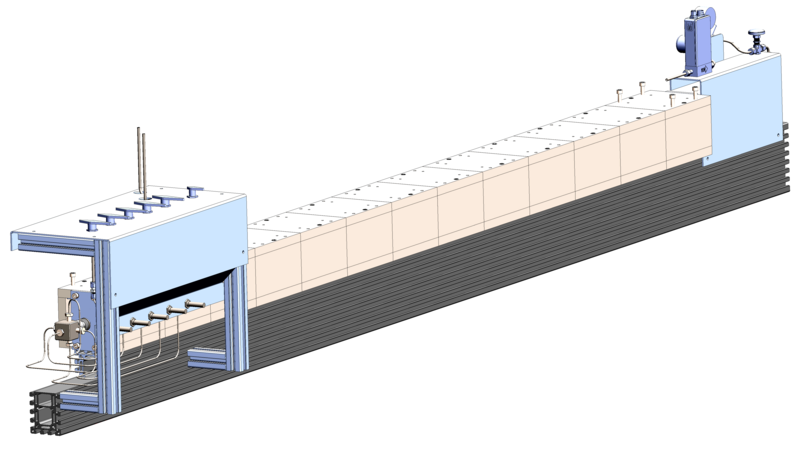
Magnetic Gas Separation of the Hydrogen Isomers

Molecular hydrogen occurs in two isomeric forms which differ in their configuration of the nuclear spin: orthohydrogen and parahydrogen, whereas the latter accounts for only 25% of the whole gas at room temperature. Contrary to this, parahydrogen in its concentrated form is utilised especially for hyperpolarisation (so-called PHIP – Parahydrogen Induced Polarisation), which is a widespread method in the fields of medicine and chemistry to enhance the contrast of MRI and NMR apparatus.
However, all procedures for the production of this spin isomer are based upon cryogenic methods, which have comparatively high expenses for energy and maintenance. Because of this, there exists the demand for a cheap and efficient method to enrich parahydrogen for direct use in successive applications.

Project Goals

  • Development of an innovative ortho–para converter, which works at room temperature by using the principle of magnetic gas separation;
  • Measurement of the separation ability of the chosen principle at room temperature and optimisation of the resulting effect and
  • Enrichment up to 99% of parahydrogen at a variable volume flow (pursued are at least 4 standard litres per minute).
Your Request
Further Projects

Image

Computational fluid dynamics CFD

Scientific analysis of flows

Image

Humidifier System for High-Purity Gases

Nafion - moisture transfer

Image

Behavior of multiphase cryogenic fluids

experimental und numerical investigations

Image

Innovative Parahydrogen Generator Based on Magnets

Magnetic Gas Separation of the Hydrogen Isomers